Harmony and functionality in interior design

Furnishing and designing interiors is an art that combines harmony with functionality. In this post I’d like to share my thoughts on how to find the balance between these two key aspects when furnishing a flat or a house.
Harmony as a foundation
Harmony in interior design isn’t just an aesthetically pleasing combination of colours or materials — it’s primarily a coherence that makes a space pleasant to the eye and to the spirit. The key to achieving harmony is understanding proportion and scale. Every element of an interior, from furniture to accessories, should work together to create a unified whole.
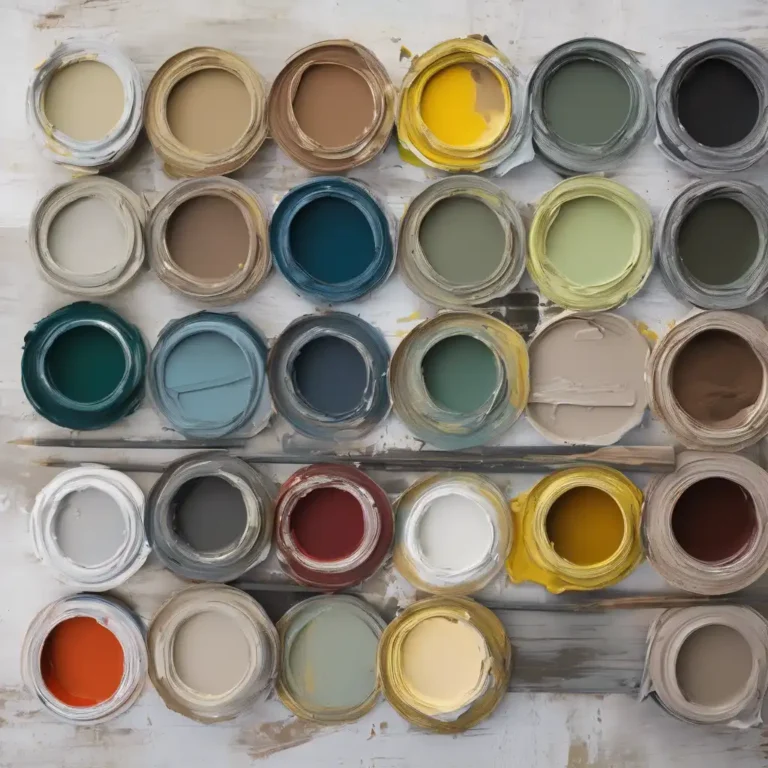
Visual harmony in interior design is the skilful combining of colours, materials and forms to create a coherent and pleasant space. Your colour palette should be deliberate, fitting the character of the room and its users. Neutrals — whites, greys, beiges — make a great base, which you can then enrich with accents in more expressive colours.
Pay attention to natural materials. Wood, stone, linen — these bring warmth and authenticity into a room, and they’re timeless. Their use lets you create spaces that stay relevant for many years. Through the right use of natural materials, we can also create harmony with nature itself — because, after all, we are part of it.
Functionality as a PILLAR
Functionality is the second key component of a successful project. Even the most beautiful interior loses value if it doesn’t fulfil its basic role — meeting the daily needs of its users. Plan the space so that everyone living there feels good in it. Pay attention to traffic flow, ergonomic placement of furniture, and accessibility. A functional space is one where you can move freely, easily perform daily activities, and at the same time enjoy aesthetic comfort.
It’s worth thinking about modular and multi-functional solutions. Furniture that serves more than one role — sofa-bed, table with extra storage, shelving with built-in drawers — saves space and adds versatility, especially in smaller apartments. Equally important: lighting. A well-thought-out lighting plan (general, task, accent) lets you adapt the same space to different daily activities — work, family time, relaxation.
Combining harmony with functionality
The art of interior design lies in balancing these two pillars. Sometimes pure beauty wins, sometimes raw practicality — but the most successful projects are those that don’t sacrifice one for the other. Your home should be a place that you genuinely like being in, and that genuinely works for you and your family.
Start by listing your real daily routines and priorities. Add aesthetic preferences, find a coherent visual line, then check every furniture and material decision against both: does this look right, and does this work right. If the answer is yes on both counts — you’re on track.