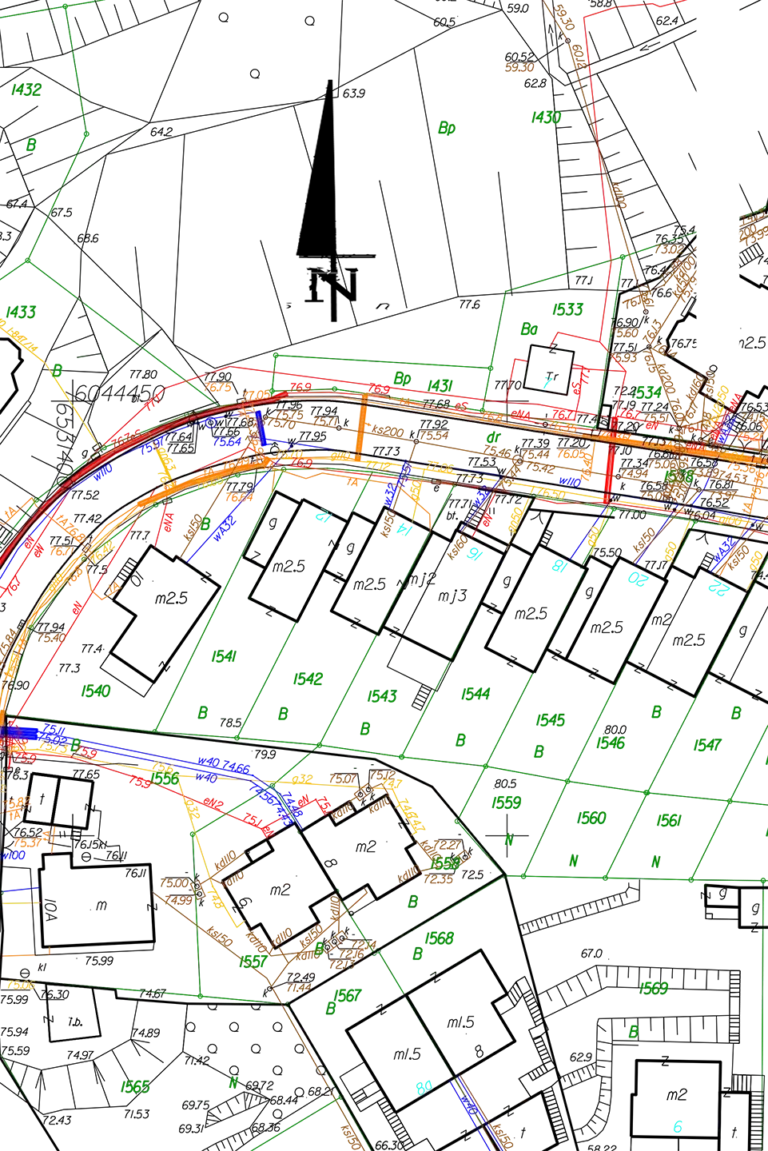
House orientation on the plot — cardinal directions
Seemingly obvious, everyone knows it — and yet …
Often, unknowingly caught up in the spiral, in the excitement, with countless ideas flying through our heads, intoxicated by inspirations from all over, under the pressure of mortgage timelines, deposits, another month’s rent — we lose our heads and stop seeing things as they really are.
Another scenario — in the rush we stop functioning rationally; we forget the simplest things, or stop understanding them, or see them the way we want them to be (the way we’d dreamt them up in our heads), not the way they actually are.
I’m writing this post on the back of recent client meetings and conversations about building a house. For some it’s the „first house”, for others one of many — but there’s always that moment when we have to think about ORIENTATION.
ORIENTATION — WHAT IS IT?
Above all, it’s the placement of the house on the plot relative to the cardinal directions: north–south, east–west. We all know where north is on a map — but the moment we start „spinning” the map of the planned (or already purchased) plot, focused on the entrance, the garden, our own dream and vision … we get a little „stupid”.
NORTH
Always at the top of the map. Of course, looking at the map — where most labels are typeset upright (terrain levels, infrastructure, etc.). Sometimes you’ll get just a fragment of the map, an A4 cut, and it can genuinely be hard to orient yourself.
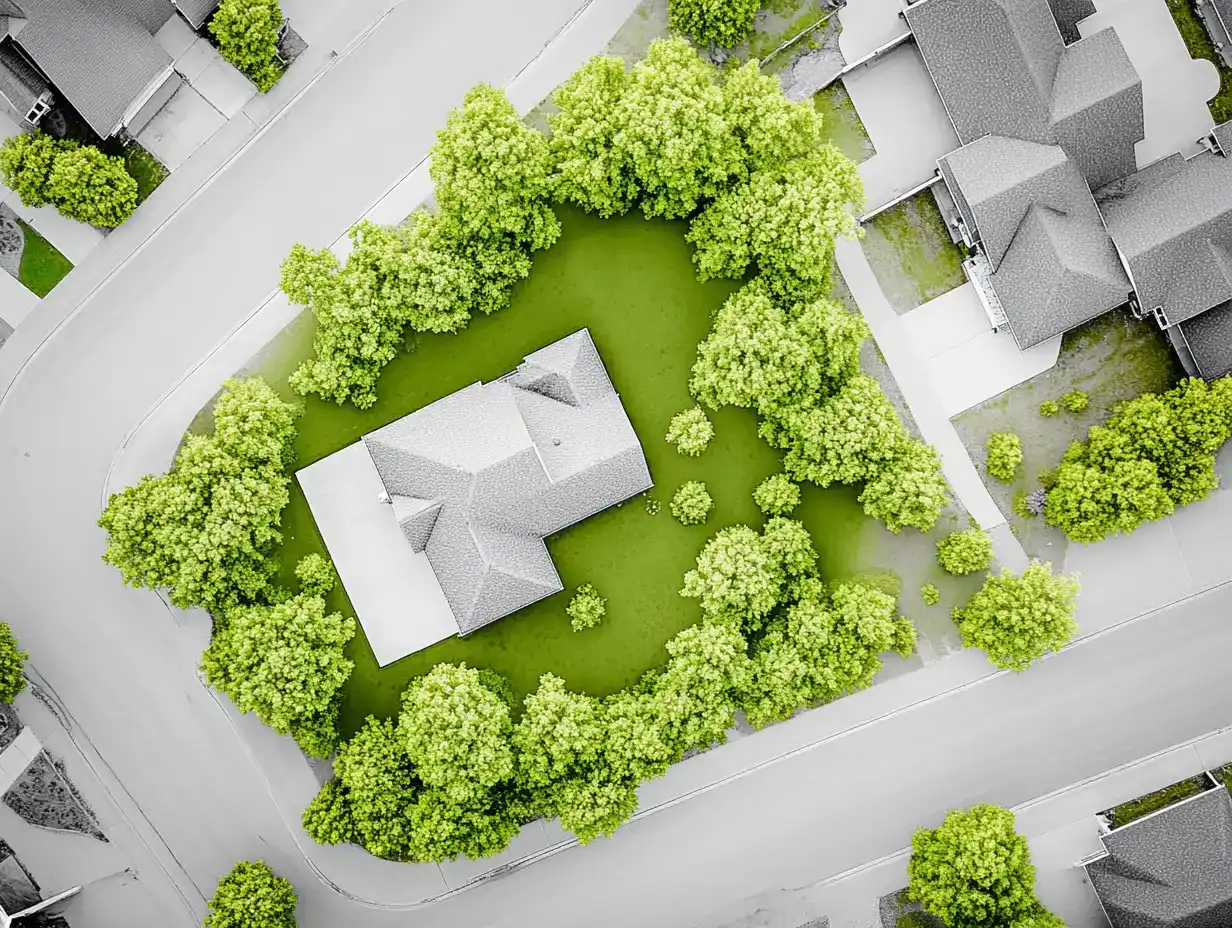
The ideal arrangement is: entrance to the plot from the north, garden facing south or south-west — those are the basic schematic layouts.
The north side, permanently shaded, is the place for a garage, utility rooms, a hallway, a pantry, a wardrobe — rooms that don’t need natural light.
SOUTH
Plenty of light, plenty of warmth — and that’s exactly why it’s where the living areas go: living room, dining room, kitchen if possible, terrace, garden. Modern houses with large south-facing glazing essentially passively heat themselves through solar gain in winter (provided we shade them properly in summer to avoid overheating).
EAST
Morning sunlight, gentle and pleasant. Bedrooms and breakfast nooks work well on the east. Many people like to wake up with the sun.
WEST
Afternoon and evening light, warm and intense. Working rooms, studios, libraries, evening living spaces. Caveat: in summer the west side can heat the house heavily — exterior shading is worth the investment.
And in practice
Of course, we don’t always have full freedom — the shape of the plot, neighbours, planning regulations, the access road all impose constraints. But the basic rule stays the same: spaces that need light go to the south/east, service rooms go to the north. Take the time, look at the plot at different times of day, mark where the sun is in the morning, at noon, at 4 PM. That single afternoon of observation will save you years of correcting mistakes after construction.